See also: Constitutional role of the Monarchy
In addition to its important constitutional functions, the Monarchy plays a central ceremonial role within our system of government. The Crown, as the pinnacle of the Grenadian state, is responsible for carrying out a number of important ceremonial duties and functions. These functions are related both to events of state, community events, and diplomatic representation.
The ceremonial duties of the Crown are not established in law, but are instead cultural and representative duties carried out by tradition and virtue of the Crown’s position at the head of the state. The most important ceremonial duties of the Crown include:
- Opening each new session of Parliament by reading the Throne Speech
- Conducting investitures for recipients of honours and awards
- Accepting the credentials of foreign Ambassadors to Grenada
- Receiving visiting foreign leaders and dignitaries
- Participating in and overseeing important national events
- Act as Patron of non-governmental organisations and bodies
- Visit establishments throughout the country and meet the people.
Most of the ceremonial duties of the King, much like his constitutional ones, are carried out on his behalf by the Governor-General. The King can however, when in Grenada, carry out these duties himself. Queen Elizabeth II carried out various ceremonial duties personally when in Grenada.
Opening of Parliament
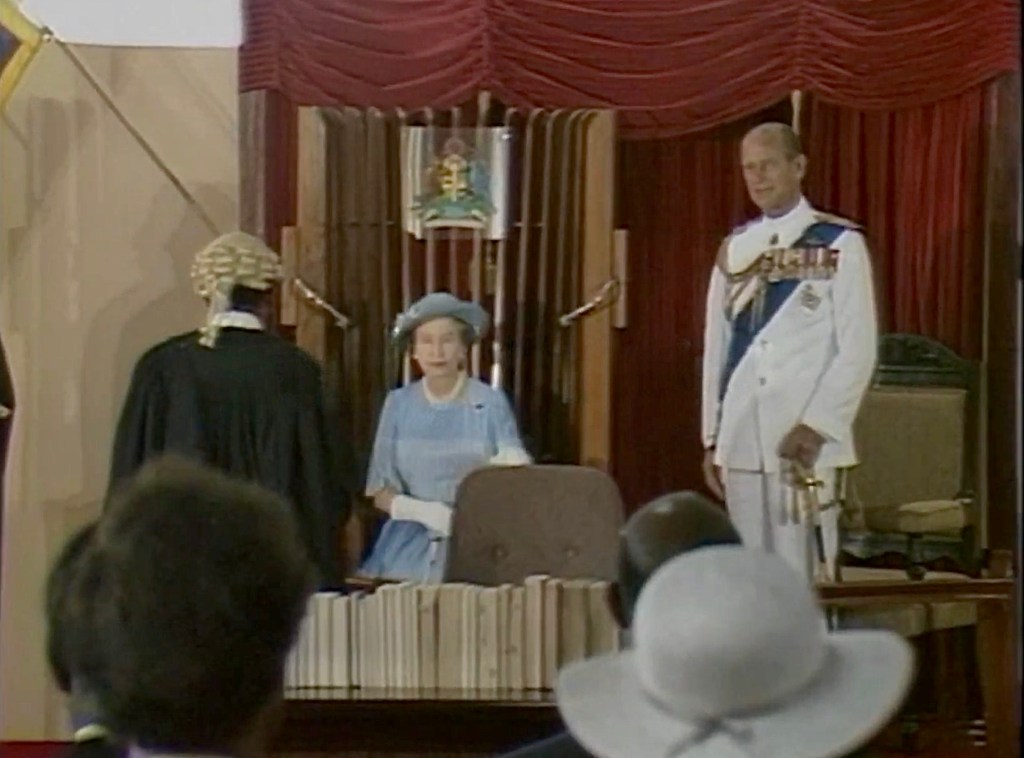
One of the most important ceremonial duties of the Crown is conducting the yearly Ceremonial State Opening of Parliament. The State Opening marks the beginning of each new parliamentary session, and is a central point in the parliamentary calendar. The focal point of the State Opening is the Throne Speech. The Throne Speech is a speech read by the Governor-General, or the King if in Grenada, which outlines the policy priorities and legislative direction the Government wishes to take during the Parliamentary session. The speech is written by the Prime Minister, but is read by the King or Governor-General to symbolise the fact that the Government formally serves at the pleasure of the King, and is thus His Majesty’s Government.
Conducting Investitures for Honourees

As the King is head of both of Grenada’s 2 honours systems he, other member of the Royal Family or the Governor-General are the ones to formally invest recipients of honours and awards. Investitures can take place both in Grenada, usually at Governor-General’s House, or in the UK at Buckingham Palace or Windsor Castle. The Governor-General usually conducts investitures for Grenadians here in Grenada, though members of the Royal Family also conduct them during Royal Visits. In certain circumstances, Grenadians may be invited to an investiture ceremony in London. The method of investiture varies depending on the award received, from simply presenting and/or pinning a medal to the recipient’s chest, to the full traditional Knighting ceremony.
Accepting the Credential of Foreign Ambassadors

The Crown is tasked with formally receiving new foreign Ambassadors to Grenada in a ceremony where the new ambassador presents their Credentials. The Credentials are formal documents from the state they represent, presented to the Governor-General, which proves and validates their position as Ambassador to Grenada. The Governor-General will accept their credentials on behalf of the King, and the new ambassador will traditionally give the Governor-General a message from their home state expressing their government’s wishes for the future of relations with Grenada.
Receiving Foreign Leaders
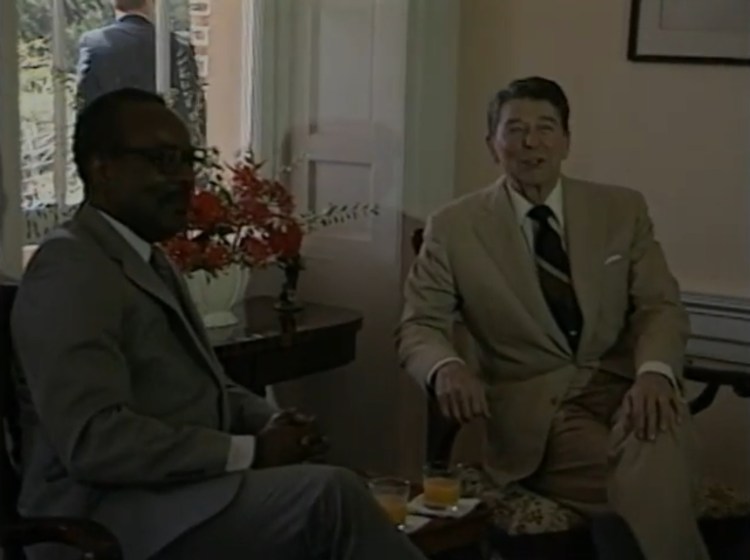
The Crown, as our Head of State, is tasked with receiving foreign leaders who are visiting Grenada. The Governor-General will carry out this task on the King’s behalf and will usually receive them at a formal reception at Governor-General’s House, and will hold discussions with the visiting leader about relations between Grenada and the visiting state.
Overseeing National Events
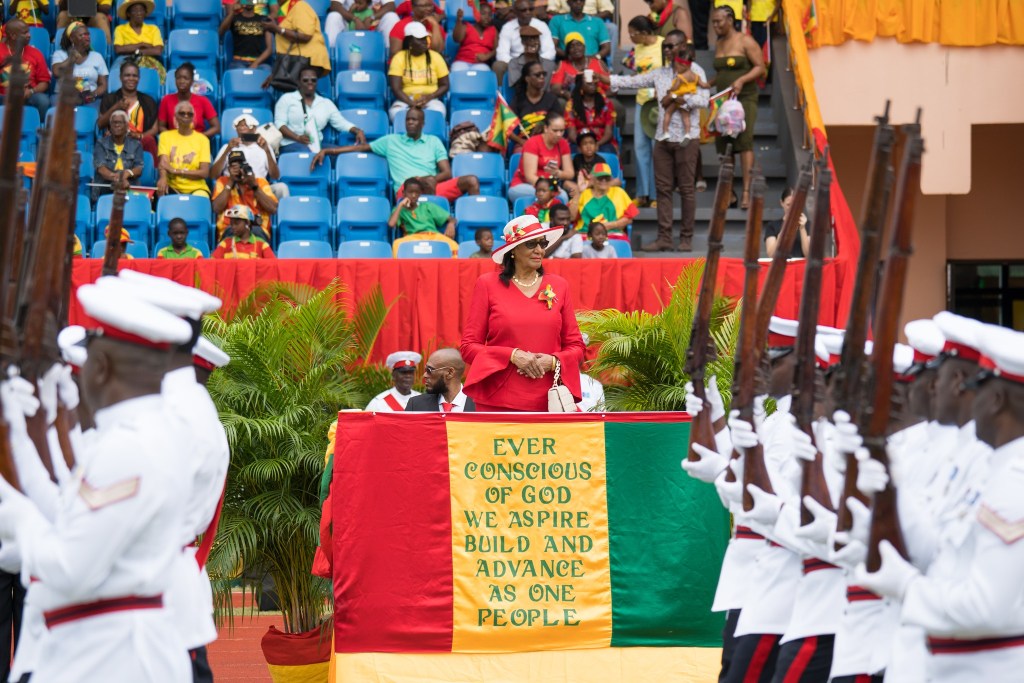
The Crown plays a central role during major national events and celebrations. The Governor-General receiving the Royal Salute and reviewing the Royal Grenada Police Force are a major part of the annual Independence Day celebrations at Queen’s Park. During the 50th Independence Anniversary in 2024, the King was due to hold a personal video address to Grenada to celebrate independence, but due to his cancer diagnosis 2 days prior it was instead read out by the Governor-General on his behalf. The Crown also oversees the annual Remembrance Day ceremony, with the Governor-General being the first to place a wreath at the Cenotaph at the Botanical Gardens. The King and Governor-General also both give annual addresses to the nation during Christmas.
Acting as Patron for Organisations
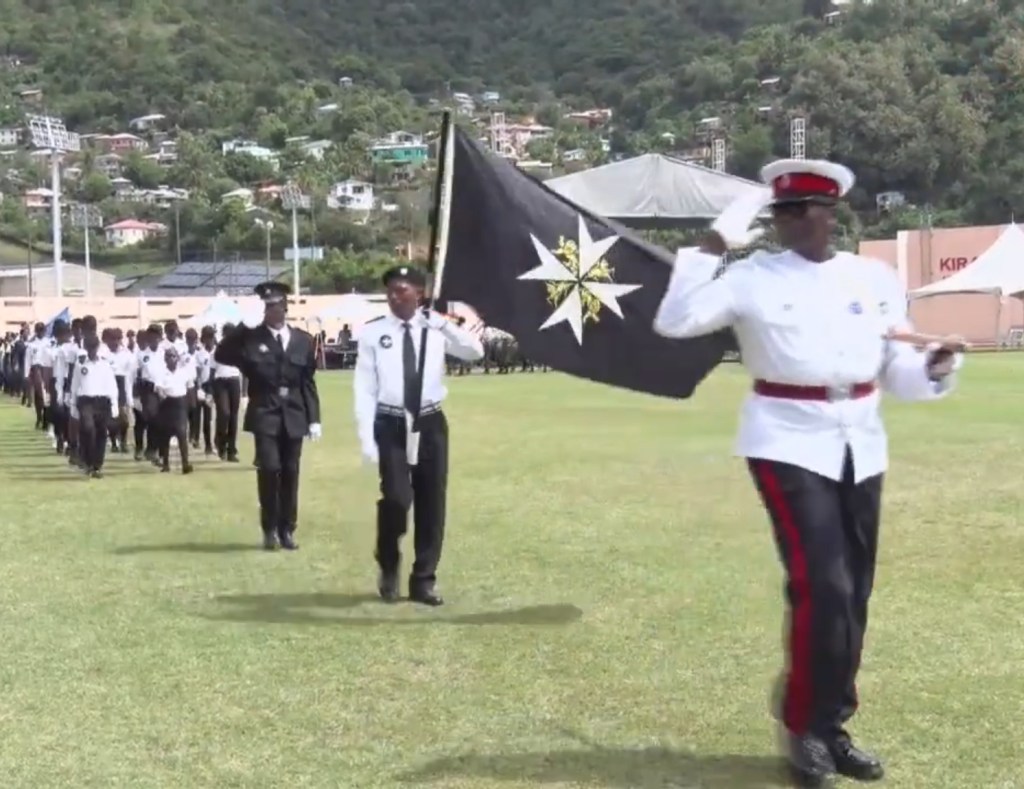
The Crown serves as patron for a number of non-governmental and charitable organisations throughout the Commonwealth. The King and other members of the Royal Family serve as patrons of numerous organisations, as does the Governor-General. The Governor-General is, among others, Patron of the Grenada Red Cross, The Duke of Edinburgh Award Scheme and the Grenada Yacht Club. The Governor-General is also President of the Council of the Order of St. John (of which the King is Sovereign Head), which oversees the activities of St. John Ambulance Grenada.
 Grenada Monarchist League